
The Fast Way to Clean Shower Tile and Prevent Soap Scum Buildup
For glazed ceramic or porcelain shower tile, the safe cleaning method is simple: wet the surface, apply a non abrasive tile-and-grout cleaner or mild alkaline cleaner, scrub gently with a soft-bristle brush, rinse thoroughly, and wipe the tile dry with a microfiber cloth. If your shower is natural stone, skip anything acidic (no white vinegar or lemon juice) and use a neutral stone-safe cleaner instead. Soap scum is that cloudy film that builds up when soap reacts with the minerals in hard water, and if you’re tired of scrubbing scum off the shower walls week after week, the real win is keeping it from forming. We tell homeowners the same three habits every time: squeegee the tile after each shower, keep the bathroom ventilated, and clean weekly instead of waiting for buildup to harden.
What Causes Soap Scum on Shower Tile?
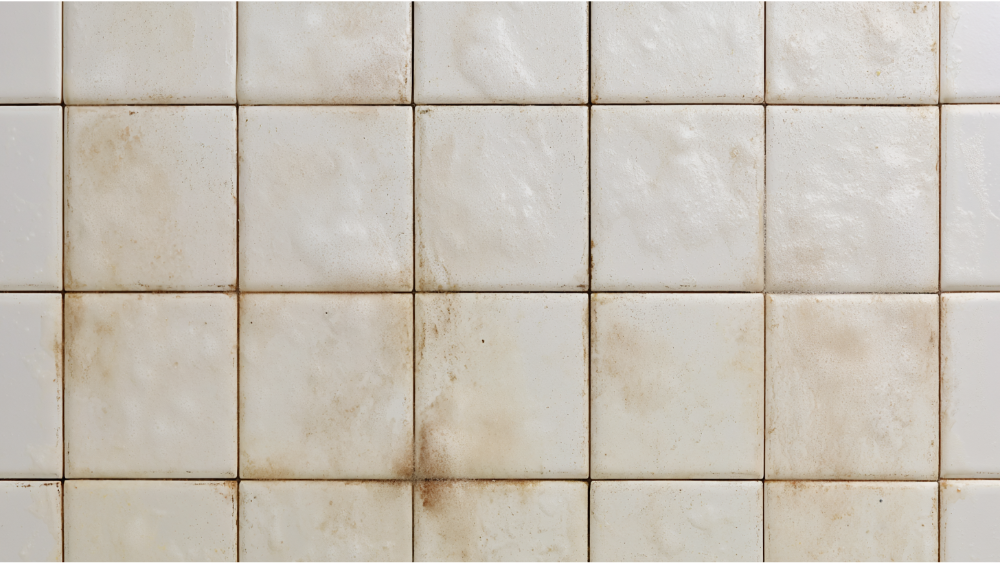
Soap scum forms when the fatty acids in soap, especially true bar soap, bond with the calcium and magnesium in hard water. The result is a sticky, chalky film that clings to tile and grout, traps body oils and dirt, and can trap bacteria in the process. The harder your water, the faster this residue builds. The USGS measures water hardness as calcium carbonate: 0 to 60 mg/L is soft, 61 to 120 mg/L is moderately hard, 121 to 180 mg/L is hard, and anything above 180 mg/L is very hard.
For many Sacramento-area homes, mineral buildup is part of why the film keeps returning on shower glass and tile alike. The City of Sacramento’s 2025 Consumer Confidence Report lists a system average of 83 mg/L (4.9 grains per gallon), which lands in the moderately hard range, but City groundwater sources run anywhere from 15 to 154 mg/L, so some local homes see far more buildup than others. Left untreated, that film hardens and gets tougher to shift. One practical fix: switching from true bar soap to a body wash or synthetic-detergent bar reduces the film, since those cleansers don’t scum the way true soap does.
Before You Clean: Know Your Shower Surface
Different surfaces need different care, so identify yours before you spray anything. Getting this wrong can dull or etch a finish you can’t undo.
- Glazed ceramic or porcelain tile: the most durable and forgiving of the non porous surfaces, and the most tolerant of a variety of cleaners.
- Glass tile and shower doors: handle gently and avoid anything that could scratch the surface.
- Cementitious grout: porous and alkaline, so acids can eat into it over time.
- Natural stone: acid-sensitive and prone to etching, which calls for the most careful approach.
Don’t forget adjacent surfaces like metal fixtures and glass shower doors, which have their own tolerances. When you’re unsure what you’re dealing with, start gentle and test a hidden spot first before treating the whole shower.
What You’ll Need: The Right Tools
Having the right tools makes any cleaning easier, and non abrasive ones protect the glaze and finish, which is why the basic kit stays soft:
- Non abrasive tile-and-grout cleaner or a mild alkaline cleaner
- Soft-bristle brush, a grout brush for the joints, or a non-scratch pad; a stiff brush only where the surface can take it
- Microfiber cloth or a non abrasive sponge, which trap residue without streaking or scratching
- Squeegee
- Gloves
- Spray bottle to distribute a DIY cleaner evenly
- Bucket of clean rinse water
Optional: a pH-neutral stone cleaner if you have natural stone, and a steam cleaner only if the tile and manufacturer allow it.
How to Clean and Remove Soap Scum From Ceramic or Porcelain Shower Tile
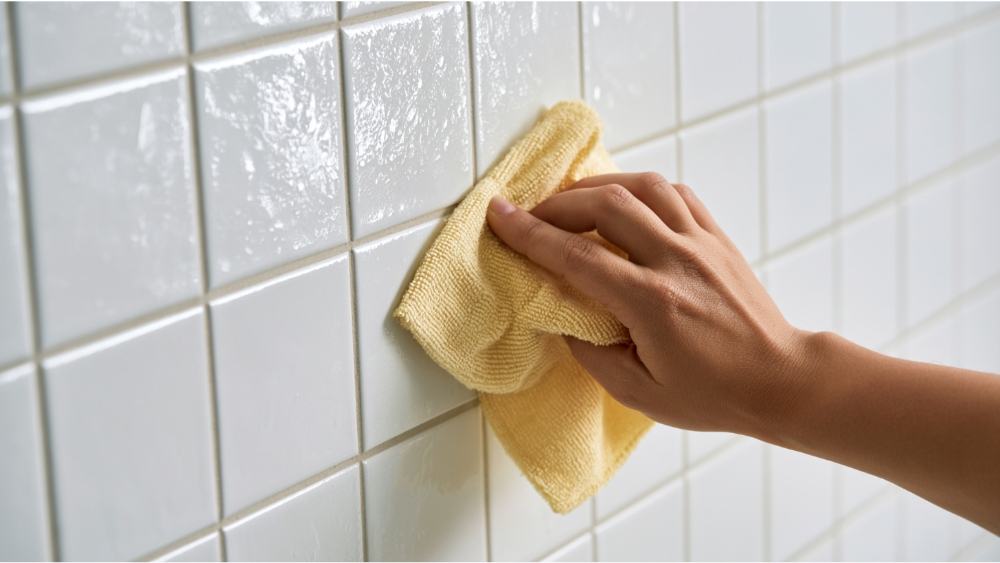
Glazed ceramic and porcelain give you room to work. Follow these steps to remove soap scum without harming the finish, whether you’re doing a quick light cleaning or a full deep cleaning:
- Rinse and wet the surface so the cleaner spreads evenly.
- Apply your cleaner. A non abrasive commercial cleaner works well. So does dish soap, whose surfactants bind grease and break soap scum apart, or a baking soda paste for gentle abrasion. Diluted white vinegar can dissolve mineral deposits on glazed tile, but keep it off stone and don’t use it repeatedly on grout.
- Let it dwell for the time the label specifies to help loosen soap residue.
- Scrub gently with a soft brush, sponge, or non-scratch pad.
- Rinse thoroughly.
- Wipe dry completely with a microfiber cloth for a streak free shine.
The Tile Council of North America notes that even alkaline cleaners can leave a sticky film if you don’t rinse them off, and that residue attracts dirt. So rinse until the surface is sparkling clean, then dry. Steam is fine on sealed ceramic and porcelain if your manufacturer allows it.
How to Clean Soap Scum From Grout Lines: Baking Soda and Pre Treat Methods
Grout is porous and cement-based, which means it’s alkaline. Use a grout brush and an alkaline or specialty grout cleaner. TCNA points out that alkaline cleaners suit grout better because acids dissolve cement. That’s the reason to avoid repeated white vinegar or other acids on cementitious grout: they strip the top layer, and over time that can lead to regrouting. For set-in stains, pre treat the joints with a baking soda paste to loosen stubborn buildup, let it sit, then scrub. Rinse well and lift the dirty water rather than letting it settle back into the joints. A grout sealer helps prevent moisture absorption and staining going forward. If cleaning no longer restores the grout, it may simply be worn out, which points to repair rather than another round of scrubbing.
How to Clean Natural Stone Shower Tile Safely With Liquid Soap
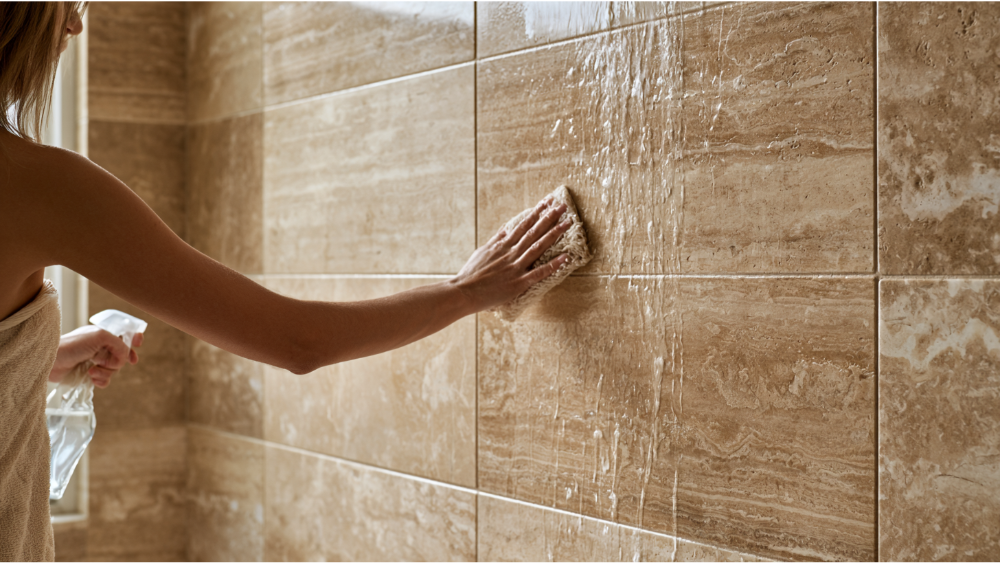
Stone needs a lighter touch. The Natural Stone Institute recommends a neutral, pH-balanced stone cleaner, stone soap, or a mild liquid soap or dishwashing detergent mixed with warm water. Rinse thoroughly and wipe dry with a soft cloth or sponge. Never use white vinegar, lemon juice, or other acids, since they dull and etch calcareous stone. Skip scouring powders, which can scratch. A squeegee after each shower goes a long way toward keeping scum from settling into these surfaces. If you do reach for an ammonia-based soap-scum remover, never mix it with bleach (the combination creates toxic gas), and remember that overuse can dull some stone.
What Not to Use on Shower Tile and Grout: Lemon Juice and Harsh Chemicals
A short list of what to keep out of the shower:
- No powdered or abrasive scouring cleansers on delicate or polished surfaces.
- No white vinegar or lemon juice on natural stone.
- No repeated acids on cementitious grout.
- No oil- or wax-based cleaners on grout, which leave a film.
- Never mix bleach with other cleaners or with ammonia. The CDC warns this can release dangerous vapors.
You don’t need harsh chemicals for routine film either. One thing worth clearing up: removing soap scum is cleaning, not disinfecting. The CDC and EPA treat those as separate tasks, so bleach isn’t your first reach for ordinary film. Save it for when you actually need to disinfect.
How to Prevent and Reduce Soap Scum From Coming Back
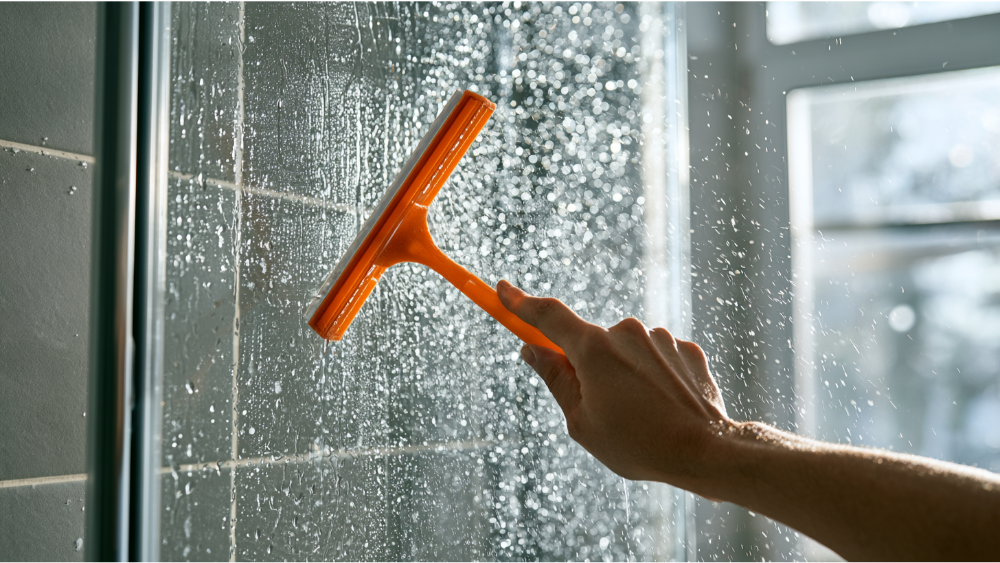
This is where homeowners with recurring buildup get the most value. Prevention is mostly habit, and a few small changes reduce soap scum dramatically with minimal effort:
- Squeegee or wipe the tile and shower glass dry after each shower to head off water spots. The American Cleaning Institute recommends wiping tiled walls after each use to stop soap scum and hard-water deposits from accumulating.
- Run the exhaust fan or open a window during and after showering. The EPA advises venting that moisture outside, since a damp shower is a breeding ground for mildew.
- Rinse shampoo, conditioner, and soap residue off the walls before it dries.
- Use a daily shower spray, or a light spray of equal parts white vinegar and water on non-stone surfaces, to keep scum from hardening.
- Clean the bathroom weekly rather than waiting, which ACI recommends.
If scum returns fast, switch from true bar soap to a body wash, liquid soap, or syndet cleanser, since those leave less residue than true soap. And if hard water is the real culprit, know your options: NSF/ANSI 44 water softeners reduce the calcium and magnesium that cause hardness, while NSF/ANSI 177 shower filters are certified only to reduce chlorine, not hardness. A showerhead filter won’t soften your water.
Is It Soap Scum, Hard Water Stains, Mildew, or a Tile Problem?
Knowing what you’re looking at tells you whether to scrub or call for help:
- Soap scum: cloudy, sticky, or chalky film that traps body oils and grime.
- Hard water stains and scale: white, crusty mineral deposits.
- Mildew or mold: recurring dark, pink, or black discoloration in damp spots.
- Tile-system issue: cracked or crumbling grout, separating caulk, loose tile, water pooling, or white deposits (efflorescence) returning from the grout joints.
The EPA notes wet areas should be dried within 48 hours to prevent mold, and that mold areas under about 10 square feet are usually a DIY job. Anything larger or tied to water damage is a different conversation.
When to Call a Tile Professional
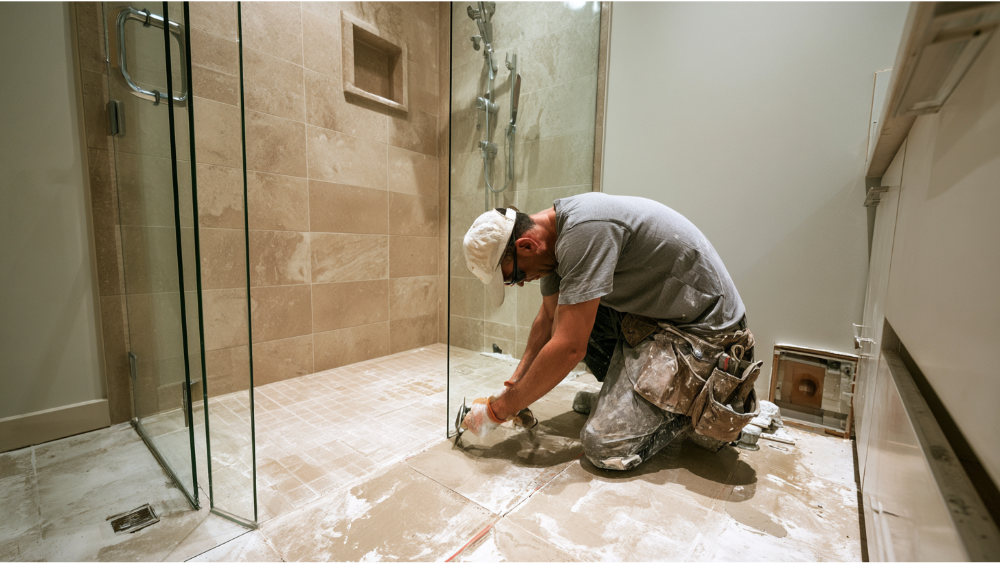
Soap scum is normal maintenance. Some things scrubbing can’t fix, though. Call a professional when you notice grout that’s crumbling or missing, caulk that’s cracked or separating, loose tile, water pooling instead of draining, white deposits repeatedly surfacing from grout joints, stains that stay after safe cleaning, or mold tied to water damage or larger than about 10 square feet.
That’s where we come in. With 15+ years of hands-on tile experience serving the Greater Sacramento Area, Vasko Tile handles shower tile repair, regrouting, replacement, and full remodels with the same precision we bring to every project. We’re a craftsman-led team, not a cleaning service, and we’re glad to tell you honestly whether your shower needs maintenance or real work.
Frequently Asked Questions
What removes soap scum from shower tile best?
For glazed ceramic or porcelain, a non abrasive tile cleaner or dish soap applied with a soft brush or sponge, then rinsed and wiped dry, handles most buildup. Dish soap cuts the grease and body oils in the film, and a baking soda paste adds gentle abrasion for stubborn buildup.
Is white vinegar safe for shower tile and grout?
Diluted white vinegar can dissolve mineral deposits and hard water stains on glazed tile, but keep it off natural stone (it etches) and avoid using it repeatedly on cementitious grout, where acids strip the surface and can lead to regrouting.
How do I reduce soap scum from building up again?
Squeegee the tile and shower glass after each shower, ventilate during and after with a fan or open window, rinse product and soap residue off the walls, and clean weekly. Switching from bar soap to a body wash or liquid soap also reduces recurring film.
How often should I clean shower tile?
Weekly. The American Cleaning Institute recommends cleaning the bathroom weekly, and staying ahead of buildup is far easier than removing it once it hardens.
When is shower buildup a sign I need grout or tile repair?
When grout is crumbling, caulk is separating, tile is loose, water pools instead of draining, or stains and white deposits keep returning after safe cleaning. At that point it’s a tile-system issue, not a maintenance one.
Ready for a Shower That’s Easier to Live With?
If your shower tile is past the point of routine cleaning, or you’re ready for a space that’s easier to maintain and built to last, we’d love to help. Contact Vasko Tile for a complimentary consultation and get a quote on your project. Call us at (916) 205-5112, email vaskotileco@gmail.com, or complete the quote form, and we’ll respond within 24 hours.
