
Porcelain tile is usually the better choice for floors, showers, wet areas, high traffic rooms, and outdoor-rated spaces because it’s a denser type of ceramic tile that absorbs less than 0.5% water. Ceramic tile, which typically absorbs between 3% and 7% water, remains an excellent choice for walls, backsplashes, and lower-traffic interiors where design flexibility matters more than maximum density. If you’re planning a bathroom, kitchen, or flooring project and want to choose with confidence, the real question isn’t which tile wins in general. It’s which tile fits the space you’re building. That’s how we approach every project.
Porcelain vs Ceramic at a Glance
Here’s how porcelain and ceramic tiles compare on the things that actually affect your project, from durability and moisture resistance to how each one cuts.
| Feature | Ceramic Tile | Porcelain Tile |
|---|---|---|
| Water absorption | Typically 3%–7% | 0.5% or less |
| Density | Less dense | Denser, more refined |
| Durability | Durable for its uses | More durable under wear |
| Cutting & installation | Easier to cut and set | Harder to cut and bond |
| Best uses | Walls, backsplashes, low-traffic floors | Floors, showers, high traffic, exterior |
| Wet-area suitability | Good on walls when rated | Excellent water resistance |
| Design flexibility | Wider color and pattern range | Strong, including stone and wood looks |
| Maintenance | Low | Low; most doesn’t need sealing |
The Firing Process Behind Ceramic and Porcelain Tiles
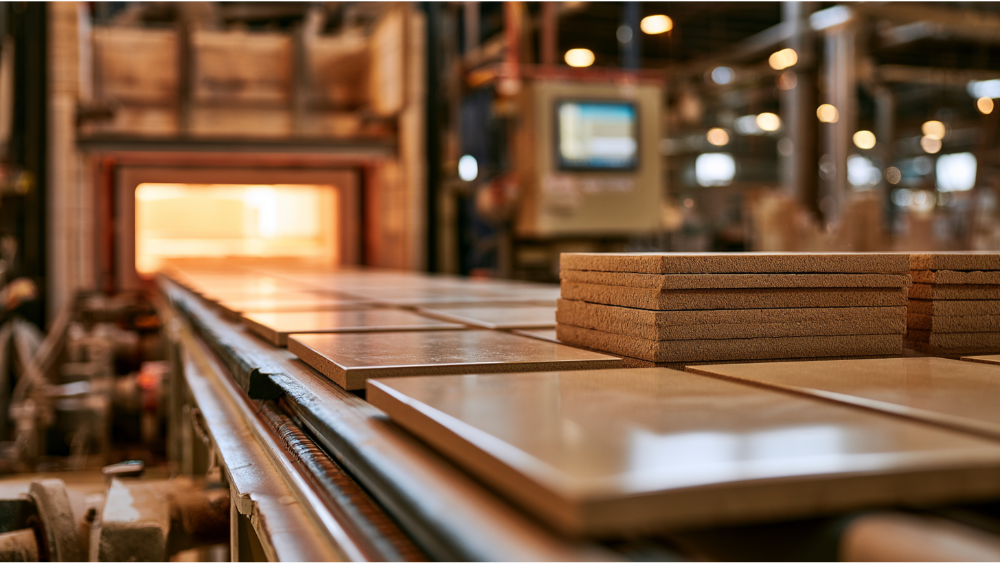
Both porcelain and ceramic tiles begin as clay, but the firing process is what sets them apart. Porcelain earns its low absorption from refined, denser clay kiln fired at higher temperatures, roughly 2,100°F to 2,500°F. That heat produces a dense body with strong water resistance and stain resistance, so porcelain holds up under foot traffic and rarely needs sealing. Non-porcelain ceramic tile is fired in a kiln at lower temperatures, which leaves it slightly more porous. Understanding how each is made helps explain why one tile belongs on a shower floor and another belongs on a decorative wall.
What Porcelain Tile Really Means
Porcelain is a type of ceramic tile, not a separate material. The Tile Council of North America groups both under the ceramic family. What sets porcelain apart is a performance number: it absorbs 0.5% water or less, which puts it in the impervious category and makes it highly durable. That threshold is measured using ASTM C373, a standardized test that weighs how much water a tile takes on. Because porcelain is kiln fired at higher temperatures, its denser clay body resists moisture, giving it the water resistance that makes it a favorite for high moisture environments and high traffic areas.
What Ceramic Tile Means
Non-porcelain ceramic tile is made from natural clay and fired at lower temperatures, which leaves it a slightly more porous tile, usually with 3% to 7% water absorption. That’s not a weakness in the right setting. Ceramic offers a vast array of vibrant colors and patterns, and it’s easier to cut and install. Just know that ceramic products vary a lot: some are rated for flooring, some are wall-only, and some are meant for dry or low-moisture rooms. Always check the manufacturer’s stated area of use before you commit to a tile type for a specific space.
When Porcelain Tile Is the Right Choice
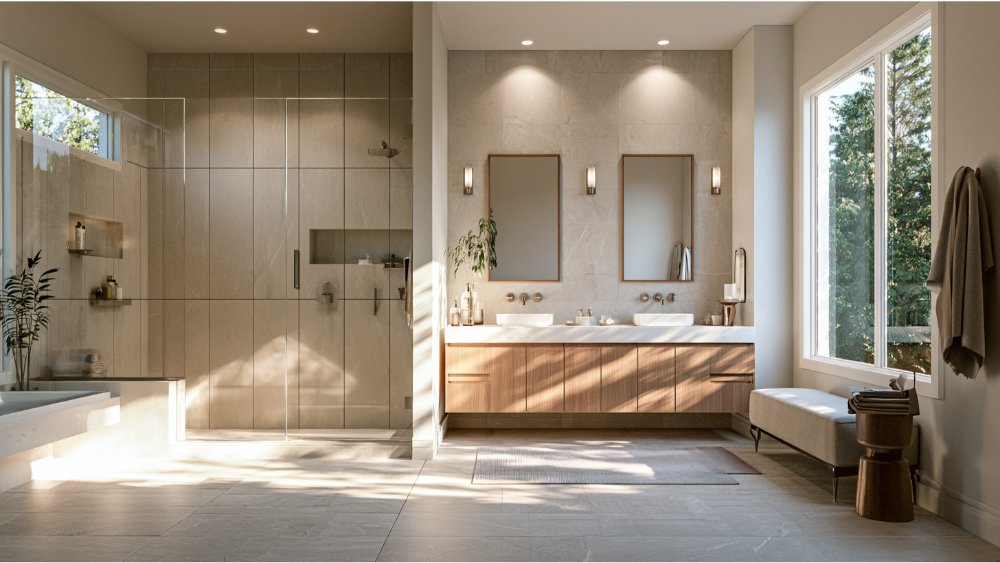
Porcelain earns its place wherever moisture and wear are part of daily life. Its low porosity and density mean it holds its beauty in the rooms that ask the most of a floor.
- Bathroom floors that see steam, splashes, and bare feet every morning.
- Shower floors, where water is constant and being water resistant matters most.
- Kitchen flooring and high traffic zones that need durability with a polished look.
- Laundry rooms and other spaces exposed to wet conditions day after day.
- Entryways and whole-room flooring that carry heavy foot traffic.
- Commercial spaces where sophistication and toughness both matter.
- Outdoor applications like exterior-rated patios and pool surrounds.
Because porcelain is fired at higher temperatures and absorbs so little water, porcelain tile flooring is often frost resistant, but that isn’t automatic. For any project involving outdoor areas, confirm frost resistance in the manufacturer’s literature.
When Ceramic Tile Is the Right Choice
Ceramic shines where design detail leads and maximum density isn’t required. As a cost effective option, it’s the material to reach for when you want tailored beauty and expressive color for indoor applications.
- Kitchen backsplashes, where pattern and personality make the room.
- Bathroom walls that frame the space in bathrooms of every size.
- Shower walls, when the tile is rated for the application and installed over proper waterproofing.
- Decorative walls and accent features.
- Lower-traffic interior spaces where warmth and character matter most.
How Ceramic and Porcelain Compare to Natural Stone
Homeowners often weigh porcelain and ceramic against natural materials like marble, travertine, or slate. Natural stone brings genuine depth and one-of-a-kind veining, but it’s more porous, needs regular sealing, and can stain or etch. When comparing porcelain to stone, porcelain now mimics natural stone convincingly while offering better water resistance and easier maintenance. For many bathrooms and high traffic floors, a stone-look porcelain gives you the timeless elegance of stone with fewer demands over the years.
Room-by-Room Tile Guide
Master Bath Tile
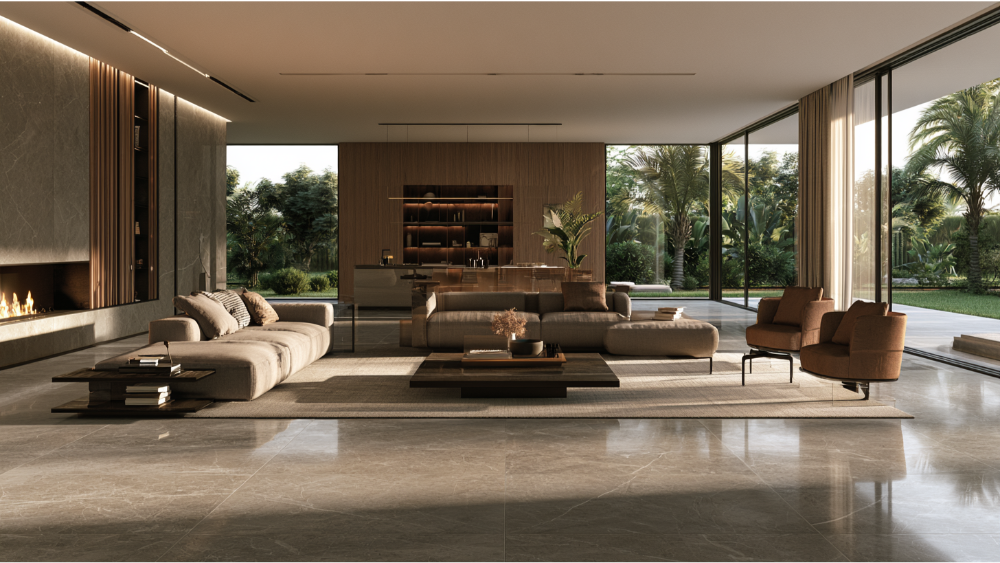
Use porcelain on floors and shower floors, where moisture is relentless. On the bathroom walls, ceramic and porcelain tiles both work depending on the look you want, so you can build a tranquil retreat that also stands up to daily use.
Hall & Guest Bath Tile
Porcelain is the safe call for the flooring. On the walls of these lower-traffic bathrooms, ceramic tile can add charm and character without compromising anything.
Kitchen Tile
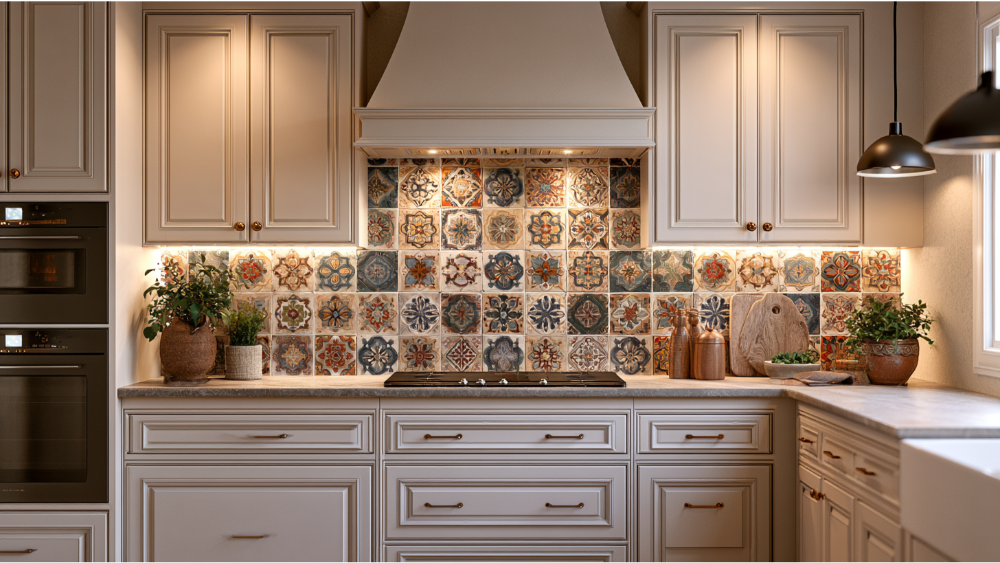
Choose porcelain for flooring and high traffic zones near the sink and range. For the backsplash, ceramic tile is often the more expressive choice, giving you room to play with color and pattern.
Tile Floors & Commercial Tile
When heavy foot traffic is a given, porcelain’s durability makes it the favorite. That same superior durability lends a sophisticated, lasting finish to commercial floors across the Greater Sacramento Area.
Wet Areas: Why the Tile Is Only Part of the System
Porcelain’s low absorption helps in a shower, but the tile face is never the waterproofing. A shower stays dry inside the walls because of the full assembly behind it: the substrate, a waterproof membrane, correct slope, and proper drain integration. Grout lines are not waterproof, as TCNA points out plainly. So even the densest porcelain won’t protect the room if the installation method is wrong underneath. This is where craftsmanship decides whether a shower lasts. A well-built waterproofing system, tied together correctly, is what keeps water where it belongs for years.
Slip Resistance and Finish: What DCOF Means
DCOF stands for dynamic coefficient of friction, a measured number that tells you how much traction a floor tile offers. Under ANSI A326.3, a reference value of 0.42 or higher applies to Interior Dry and Interior Wet floors. The standard also sorts tile into five product-use classifications: Interior Dry, Interior Wet, Interior Wet Plus, Exterior Wet, and Oils/Greases. Treat DCOF as a selection tool, not a safety guarantee, and remember that a glossy floor tile can feel very different underfoot once it’s wet.
Glazed, Unglazed, and Through-Body Tile
Glazed porcelain is usually a little easier to clean, while unglazed can offer more slip resistance depending on the product. Through-body porcelain carries its color all the way through the tile, so if it ever chips in a demanding space, the damage shows far less. Each finish has its place, and the room’s use should guide the pick.
Professional Installation and Installation Costs
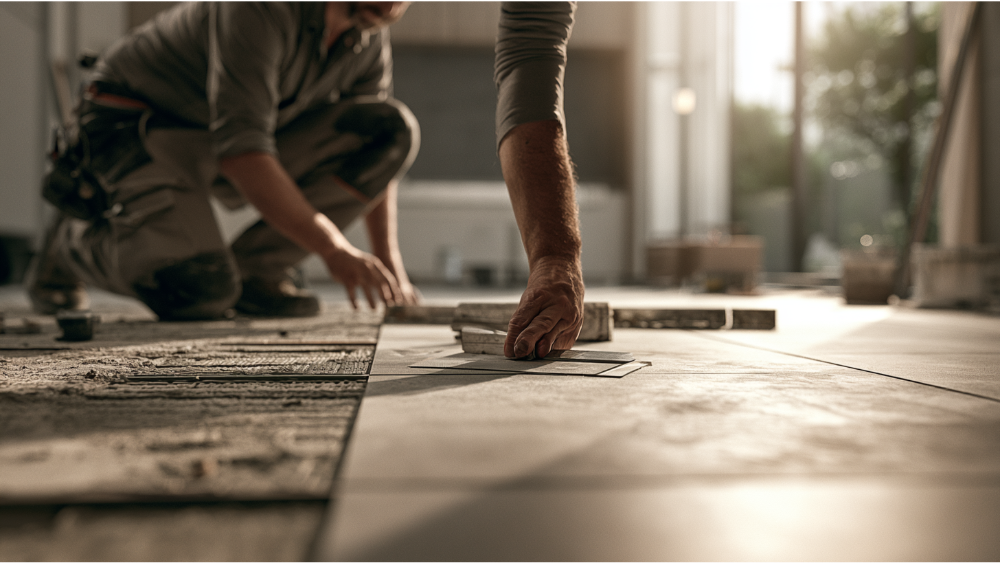
Porcelain’s density is a benefit underfoot and a challenge during installation. It’s harder to cut and harder to bond, which means specialized tools and experienced hands, and that effort can influence installation costs. Ceramic tile cuts more easily, offering easier installation, but it still demands correct substrate prep to perform. A good installer verifies that the tile you’ve chosen suits the substrate and the room before any work begins. Porcelain tile installation is rarely a candidate for DIY projects, and professional installation, backed by 15+ years of hands-on tile work, is what separates a floor that lasts from one that fails early.
What to Check Before Buying Tile
Before you buy, run the tile through this quick spec-sheet check. Room size, budget, and long term durability all factor into choosing tiles that fit the way you live:
- Is it porcelain or non-porcelain ceramic?
- What is the water absorption rating?
- Is it rated for flooring, walls, wet areas, exterior, or commercial use?
- What is the DCOF or product-use classification?
- Is it glazed or unglazed?
- Is it a durable tile suitable for shower floors and other high traffic areas?
- Does the manufacturer list the intended area of use?
- Has your installer approved it for your substrate and room?
One last tip: view samples in the actual room’s lighting before you decide. Tile can look very different under bright light than it does in your own home, and the price per square foot is only part of the picture.
Frequently Asked Questions
Should I get ceramic porcelain tile for my project? It depends on the space and your aesthetic preferences. Choose porcelain for flooring, wet areas, and high moisture rooms, and choose ceramic tile for walls, backsplashes, and lower-traffic interiors where design detail leads. That’s the heart of the porcelain vs ceramic decision.
What are the negatives of porcelain tile? Porcelain is harder to cut and bond, so it usually calls for specialized tools and experienced installers, which can raise installation costs. It also tends to carry a higher price point than budget friendly options in ceramic.
Is porcelain tile higher end than ceramic? When comparing porcelain vs ceramic tile, porcelain is often perceived as more premium because of its density, extremely durable body, and realistic natural stone and wood looks. That said, ceramic is the right, refined choice for many decorative walls and low maintenance applications.
What color tile never goes out of style? Neutral, natural tones like soft whites, warm greys, and stone or marble looks offer timeless elegance and pair well with changing decor over the years, with design versatility that carries a room through seasons of taste.
Get a Quote for Your Tile Project
The right tile is the one matched to your space, your moisture level, and how you’ll live in the room. That’s the part we help with before a single tile is laid. If you’re planning a bathroom, kitchen, or flooring project in the Greater Sacramento Area, we’ll help you find porcelain tile and ceramic materials that look beautiful and hold up for years. Call us at (916) 205-5112 or contact us for a complimentary consultation to get a quote on your project. Reach out by phone or through the form, and we’ll respond within 24 hours.
