
Travertine is a natural stone loved for its warm color variation and timeless beauty, and it holds up beautifully when it’s properly selected, properly installed, sealed, and maintained. Because it’s porous and calcium-based, it does ask for stone-safe care and a little patience with spills. If you’re weighing travertine tile for a bathroom, kitchen, or floors and wondering whether it will actually last, the short answer is yes, provided the finish, the installation, and the upkeep all match how you’ll use the space. Here’s what that looks like in real life.
What Is Travertine Tile?
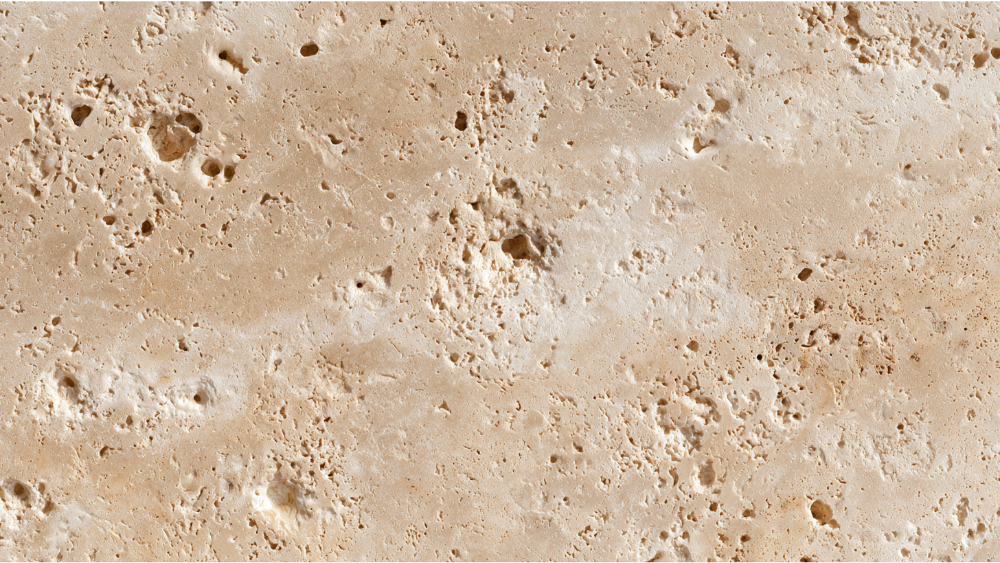
Travertine is a form of limestone, which the USGS describes as rock made mostly of calcium carbonate. It’s a freshwater sedimentary stone that forms at mineral-rich springs, particularly hot springs, and that formation story is exactly what gives it character. As mineral spring deposits build up over time, they create the small pores and cavities in travertine’s porous structure. Those voids can be filled for a smoother surface or left open for a more tactile, rustic look. The stone is often quarried in large blocks and then cut into tiles.
The color comes from the mix of minerals present as the stone forms. You’ll commonly see warm beige, ivory, cream, and soft silver tones across travertine tiles, often laced with swirls and gentle movement. No two tiles look exactly alike, and many homeowners find the stone develops an even richer, aged appearance as the years pass. That variation is part of the beauty of natural stone, not a flaw to correct.
Why Homeowners Choose Travertine for Timeless Beauty
Travertine reads as warm and organic in a way manufactured surfaces rarely match. Each tile carries its own pattern, so travertine floors or a wall feel like a collection of small works of earth art rather than a repeating print. This unique blend of texture and tone is timeless instead of trendy, which matters when you’re investing in a room you plan to enjoy for decades.
The stone suits a lot of spaces and a range of design styles. Travertine offers a spa-like calm to a master bath, a welcoming warmth to a guest bath, and quiet sophistication to floors, backsplashes, shower walls, and feature walls across many interior spaces. It also works in outdoor spaces like patios and decks. Around the Greater Sacramento Area, homeowners often reach for travertine tile when they want a tranquil bathroom retreat or a kitchen with a natural, grounded feel.
Is Travertine Tile Durable?
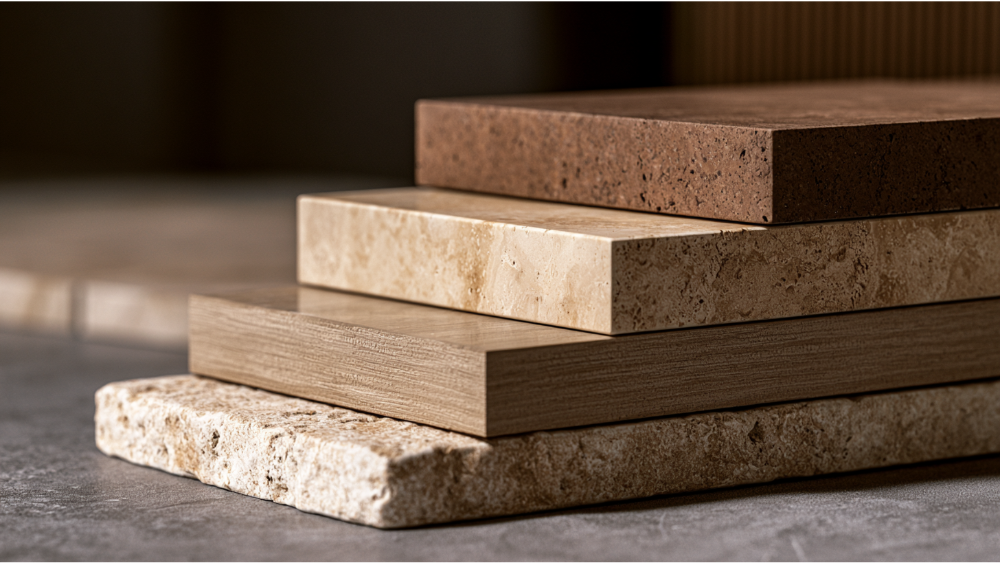
Travertine is durable, but that durability isn’t automatic. It depends on the quality of the stone, the finish you choose, the substrate underneath, how thoroughly the mortar covers the back of each tile, and how well the surface is sealed and cared for. Get those right and travertine flooring can last 50 to 100 years, making it a genuinely long lasting material.
Durability here is measurable, not marketing. The current standard, ASTM C1527/C1527M-23, tests travertine on properties like absorption by weight, density, compressive strength, and abrasion resistance, which is how professionals match a given stone to the right application. Travertine is more durable than plain limestone, though it’s softer than granite and marble at their hardest, so it’s more vulnerable to scratches and etching. Sealed and maintained well, it shows minimal wear even in high traffic areas and handles temperature swings that make it a candidate for outdoor use.
How Does Travertine Compare to Other Flooring Materials?
It helps to see where travertine sits among natural stone and other flooring materials. These are typical national market ranges for context, not Vasko Tile pricing:
- Travertine: around $15 per square foot installed, with material ranging roughly $3 to $30.
- Marble: around $20 per square foot, a step up in cost and refinement, and a popular choice for countertops.
- Granite: around $12 per square foot, harder and more scratch-resistant, and common on kitchen countertops.
- Laminate: often under $5 per square foot, budget-friendly but without authentic stone character.
Travertine lands between granite and marble in feel and cost. You trade a bit of hardness for warmth and natural movement that manufactured materials can’t reproduce. Among natural stone travertine tiles, it remains one of the most inviting underfoot.
Where Do Travertine Tiles Work Best?
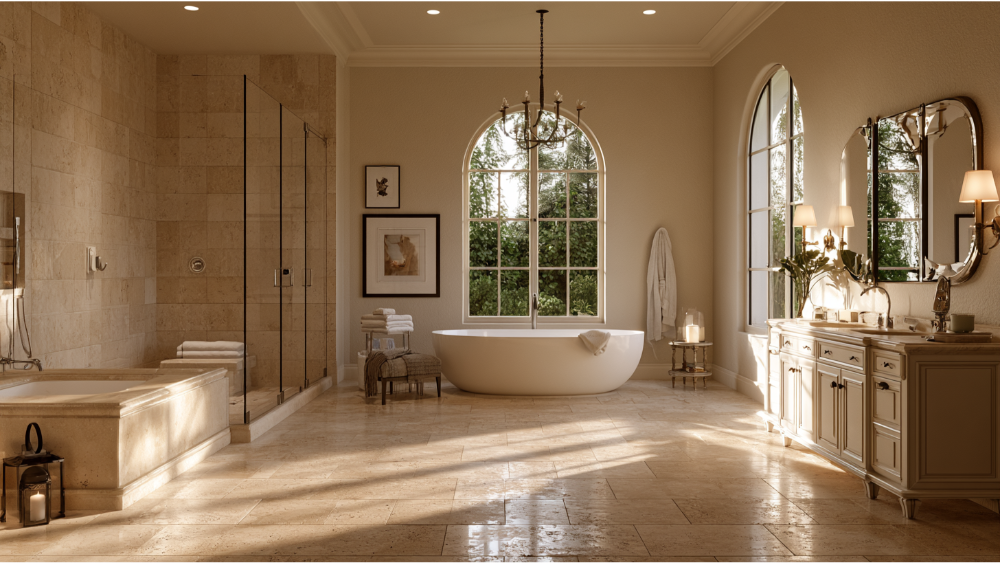
Travertine is versatile, but the finish and detailing should match the room.
- Master and guest baths: A natural fit for a tranquil, spa-like space. Finish choice matters more here than almost anywhere.
- Shower walls and floors: Possible with correct waterproofing, proper slope, good drainage, and a slip-appropriate finish. Shower floors call for extra caution.
- Kitchen backsplashes, travertine countertops, and floors: Beautiful, but you’ll want to protect the stone from grease and acids like citrus and vinegar, which can cause stains and etching.
- Flooring travertine: Durable and long-lasting flooring travertine holds up with proper installation and regular cleaning.
- Outdoor patios and pool decks: Handles temperature swings well; honed travertine and tumbled travertine finishes give better traction underfoot.
- Commercial spaces: Workable, but evaluate traffic, cleaning routines, finish, and slip classification carefully.
One honest note on slip resistance: measured DCOF is only one factor. According to TCNA, slip risk also depends on contaminants, footwear, drainage, and maintenance, so no finish is truly slip-proof.
Travertine Finishes: Honed Finish, Polished Finish, Tumbled, and Brushed
Finish shapes both the look and the practicality of your travertine.
- Honed: Smooth and matte. A honed finish is a balanced choice for interior floors and a common pick for baths.
- Polished: A polished finish is glossy and rich, bringing out the stone’s color. Polished travertine and polished stone look elegant, but a glossy surface is not ideal for wet floors.
- Tumbled: Rustic, with softly rounded edges and a lot of texture. Charming, though the crevices hold more soil and take more cleaning.
- Brushed: Brushed travertine is textured and non-reflective, with a natural, low-key surface.
You’ll also choose between filled and unfilled. Filled travertine has its natural voids filled for a smoother, easier-to-clean surface. Unfilled travertine keeps those pores open for a more tactile look, but a porous surface is more demanding to maintain. Match the finish to the room: honed or filled for floors and busy baths, a polished finish for a dry feature wall, tumbled or unfilled where you want texture and don’t mind the upkeep.
Does Travertine Need to Be Sealed?
Yes, and understanding what sealing actually does matters. Stone sealers are typically impregnators that work as repellents. As the Natural Stone Institute explains, they make the surface more stain-resistant, not stain-proof. Sealing buys you time to wipe up a spill before the stone can absorb liquids and leave stains.
Many travertine installations benefit from being sealed regularly, often every one to two years, but there’s no universal rule. The right interval depends on the finish, the traffic, how much moisture the surface sees, and the sealer used. Follow the guidance from your installer, stone supplier, and sealer manufacturer. And keep one distinction in mind: sealing reduces staining, but it does not stop acids from etching the stone, which we’ll cover next. This proper care is part of protecting the stone for the long run.
How Do You Clean and Maintain Travertine Tile? Proper Care Basics
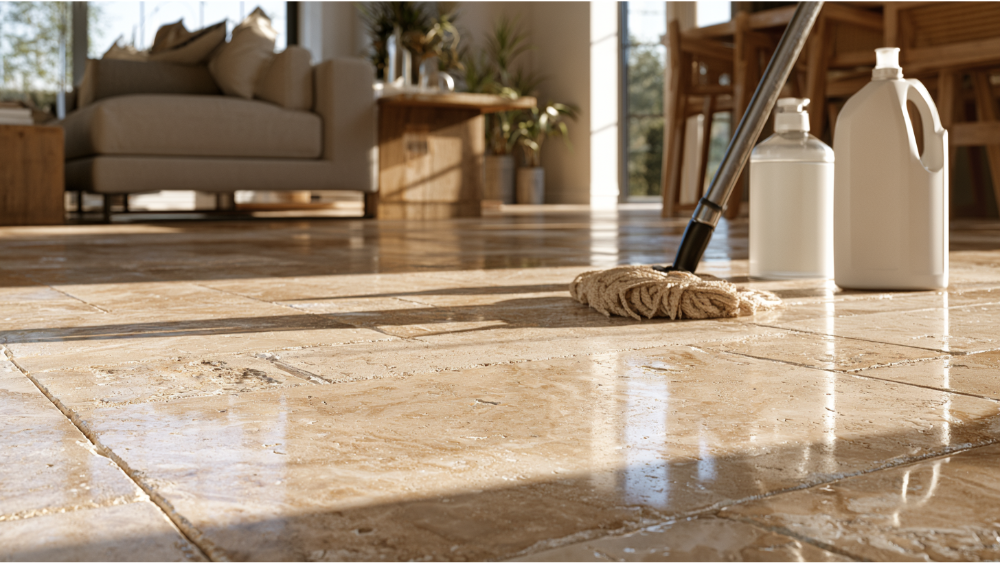
Travertine upkeep is manageable once you know the rules. The habits below keep it looking its best:
- Sweep or dust-mop regularly. Grit and sand act like sandpaper and cause fine scratches on travertine floors.
- Clean with pH neutral cleaners made for stone, stone soap, or mild dish soap and warm water, then rinse and dry with a soft cloth.
- Wipe spills promptly, especially anything acidic that could leave stains.
- Squeegee shower walls after each use to hold back soap scum.
- Avoid harsh chemicals and abrasives such as vinegar, lemon, citrus, bleach, abrasive powders, stiff scrubbers, and rust removers.
- Repair chips and cracks promptly before they spread.
Here’s the key distinction homeowners miss. Staining and etching are different problems. Sealing helps prevent staining, but acidic substances like wine, citrus, and vinegar can chemically etch calcium-based stone, leaving a dull mark that a sealer won’t stop. If etching or general dulling becomes significant over the years, a professional can restore or re-hone the surface. Day to day, pH neutral cleaners and quick cleanup are what protect the finish and preserve the natural beauty of the stone.
Is Travertine Better Than Porcelain or Other Tile?
Neither is simply better; they serve different priorities. Travertine gives you natural variation, warmth, and authentic stone, with more maintenance as the tradeoff. Porcelain and ceramic offer more consistency and often lower upkeep, with a manufactured look. If you love organic character and don’t mind stone-safe care, travertine and other natural stone reward you. If you want a set-it-and-forget-it surface, porcelain may suit you better. The right call comes down to the feeling you want, your tolerance for maintenance, and where the tile is going. Weighing durability against upkeep helps you make informed decisions.
Is Travertine Right for Your Project? A Quick Checklist
Run through these questions before you commit:
- Do you love the natural beauty, color variation, and movement of stone tiles?
- Are you comfortable using stone-safe, pH neutral cleaners?
- Is the space wet, exposed to heavy traffic, or exposed to acids?
- Which finish suits the room: polished, honed, brushed, or a more rustic tumbled look?
- Are you working with an installer experienced in natural stone like travertine, marble, and limestone?
If most of those answers point toward yes, travertine is likely a great fit. It rewards thoughtful choices with a surface that feels crafted rather than mass-produced.
Why Professional Installation Protects Travertine’s Durability and Upkeep
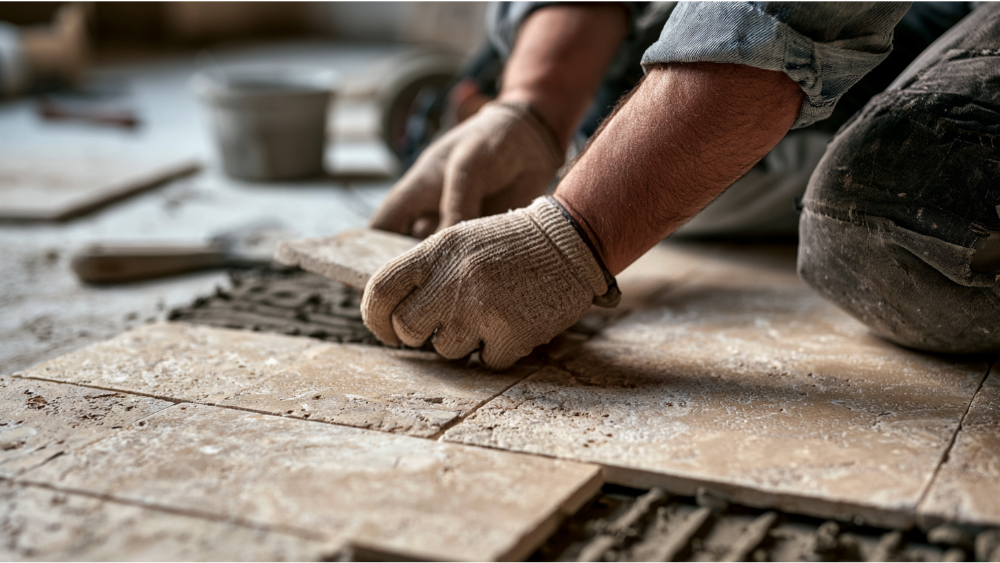
The tile you pick is only half the story. Natural stone performs based on what’s underneath and around it. Per the Ceramic Tile Education Foundation, natural stone installations may need a substrate twice as rigid as ceramic or porcelain work, and they require 95% mortar coverage in every application, compared with 80% in dry areas and 95% in wet areas for standard tile. That coverage is what prevents cracks and hollow spots that lead to failure later.
Wet-area waterproofing, proper slope, and finish selection all factor in too. This is why travertine isn’t a basic weekend project. Each tile should be expertly laid on a properly prepared surface, so the beauty you paid for actually lasts on floors, walls, countertops, and patios alike.
Get a Quote for Expert Travertine Installation in the Greater Sacramento Area
At Vasko Tile, we’ve spent 15+ years installing travertine and other natural stone for homeowners across the Greater Sacramento Area, including Sacramento, Roseville, Citrus Heights, Folsom, El Dorado Hills, Elk Grove, Arden-Arcade, Rancho Cordova, and Carmichael. We work closely with you from the first conversation, asking for your feedback along the way so the finished space reflects what you envisioned. Our craftsmen handle the substrate, coverage, and finish selection that keep travertine tile looking beautiful for years, all at competitive pricing that keeps quality within reach.
Ready to talk it through? Call (916) 205-5112 or complete our online form to get a quote and a complimentary consultation. You can also reach us at vaskotileco@gmail.com.
Frequently Asked Questions
Can travertine be used in a shower?
Yes, with the right details. Shower walls work well when the space is properly sealed, waterproofed, and cared for. Shower floors need more thought around slope, drainage, tile size, and a slip-appropriate finish.
How often should travertine tile be resealed?
Often every one to two years, but there’s no fixed rule. Frequency depends on the finish, traffic, moisture exposure, and the sealer used, so follow your installer’s and the sealer manufacturer’s guidance.
What should you not use on travertine tile?
Skip vinegar, lemon, citrus, bleach, abrasive powders, stiff scrubbers, and rust removers. Acids can etch calcium-based stone and cause stains, and abrasives can scratch it. Stick to pH neutral cleaners made for stone.
Can etched travertine be repaired?
Yes. Significant etching, cracks, or dulling can usually be corrected through professional restoration or re-honing, which brings back an even, consistent surface.
Is travertine hard to maintain?
Not hard, just specific. Regular cleaning, pH neutral cleaners, prompt spill cleanup, and periodic sealing keep it in great shape. The main thing is avoiding acids and abrasives that can leave stains or scratches.
